Get to a useful first assessment faster.
Gather and organize property records, zoning, site constraints, infrastructure information, and market context. Spend less time assembling the background needed to understand the opportunity.
 Book a Demo
Evaluate the opportunity, prove what is viable, compare development paths, navigate approvals, and resolve the work standing between the project and construction.

Get a clear initial view of a site and the issues that could change its potential. Focus your time, consultant spending, and capital on opportunities that deserve a closer look.
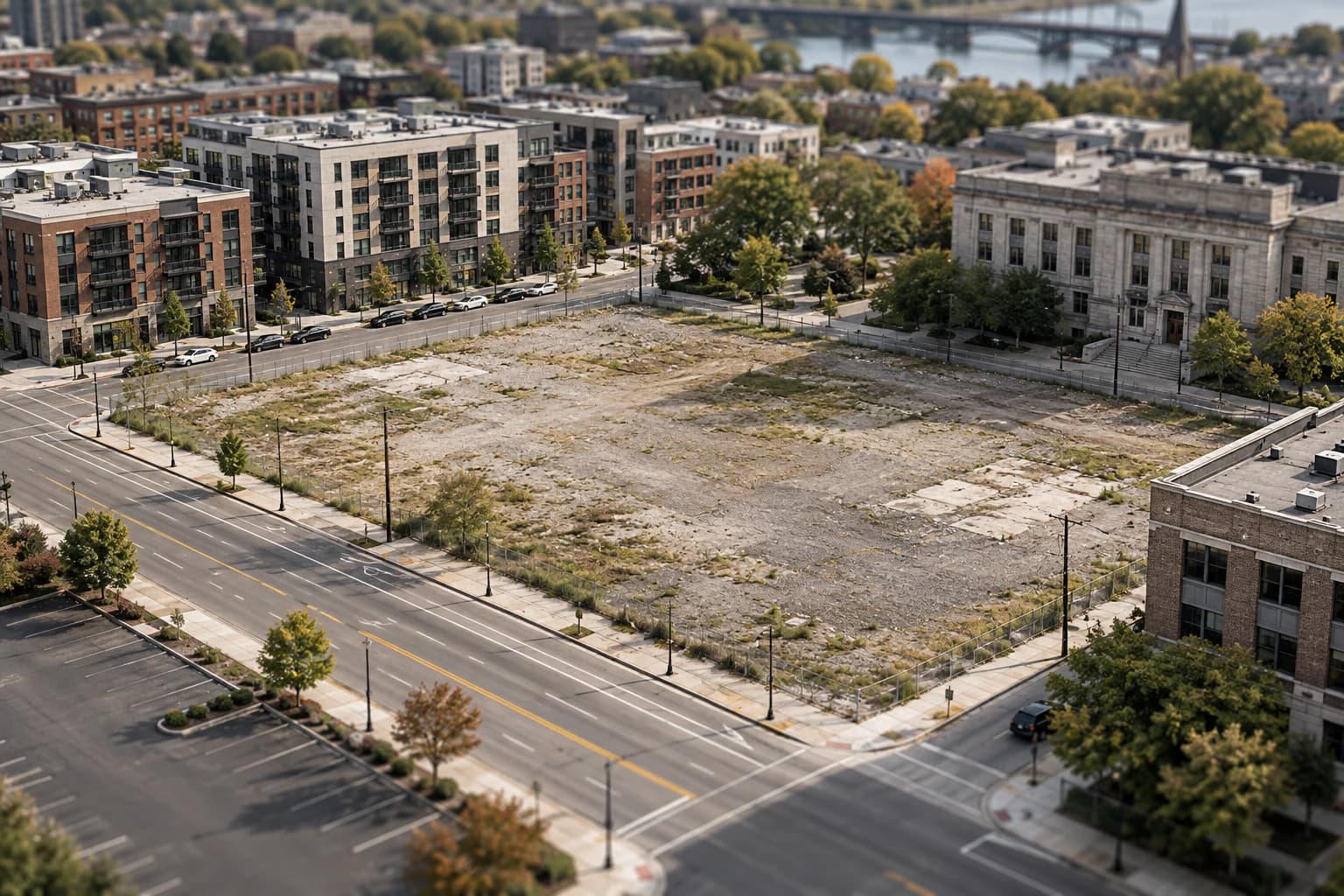
Gather and organize property records, zoning, site constraints, infrastructure information, and market context. Spend less time assembling the background needed to understand the opportunity.
Screen for issues such as incompatible zoning, restricted access, environmental exposure, easements, and utility limitations. See where a constraint could prevent the intended use or materially change cost and timing.
Separate supported findings from assumptions and missing information. Prioritize the questions that could determine whether the opportunity is worth pursuing, and direct further diligence toward resolving them.
Review development potential, key constraints, approval exposure, and outstanding diligence in a consistent format. Make it easier to explain why one site deserves further investment and another does not.
Keep sources, findings, and unresolved questions connected when an opportunity advances. Give the next team a useful starting point and reduce repeated research and explanation.
See what supports the opportunity, what could undermine it, and what deserves investigation next.
Bring design, infrastructure, approvals, market demand, and project economics into one feasibility assessment. Understand what the site can support and what must be true for the project to succeed.
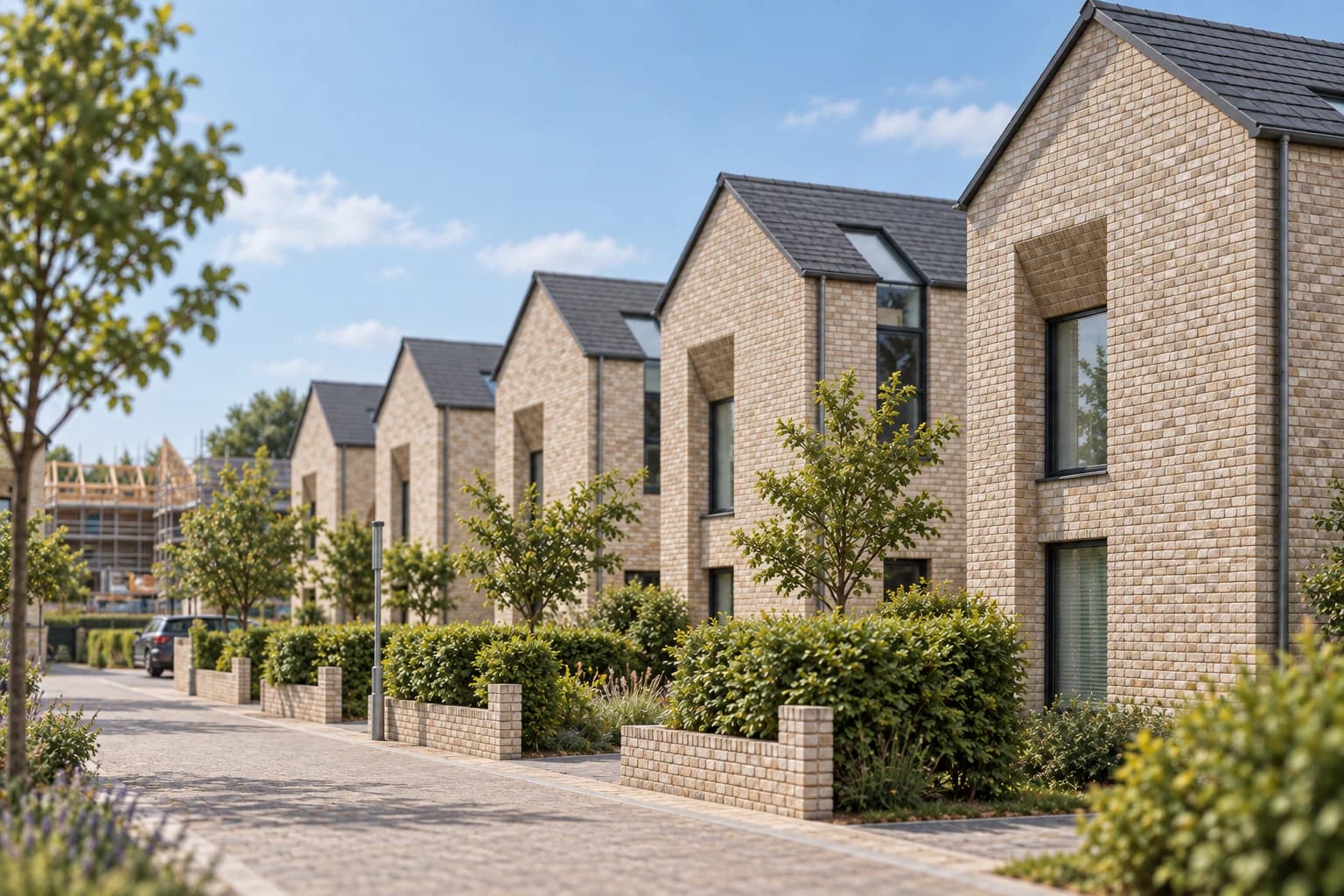
Test the intended use and development capacity against zoning, physical conditions, access, and infrastructure constraints. Understand which requirements limit the program and where the concept needs to change.
Account for site improvements, utility needs, professional studies, and approval dependencies. Evaluate the concept alongside the work required to deliver it, including obligations that sit outside the building itself.
Relate achievable area or unit count to market assumptions, development costs, financing, and timing. See where a physically feasible proposal still misses budget or return targets.
Identify which findings need a survey, engineering study, agency confirmation, or other professional review. Give consultants clear questions and keep their answers connected to the feasibility assessment.
Review the viable program, supporting economics, material risks, and conditions still to be resolved. Understand whether to advance, revise the concept, or stop before committing to more detailed work.
See where the concept holds together and which conditions need to change for it to become viable.

Compare complete development alternatives against your goals. Understand how each option changes cost, returns, approval risk, and time to construction before committing to a direction.
Compare combinations of use, density, design, approval strategy, and phasing before detailed work makes a direction expensive to reconsider. Bring credible alternatives into the decision early.
Carry proposed changes through infrastructure needs, approvals, cost, revenue, and schedule. Compare options using consistent inputs so the team can understand what actually causes the difference in results.
Identify viable combinations that improve returns, shorten timelines, reduce capital requirements, or limit risk. Evaluate those choices within the site constraints and project requirements your team must respect.
Explore what happens if costs rise, achievable rents fall, or approvals take longer. Identify the assumptions that could reverse the recommendation and the thresholds that put the plan at risk.
Update affected scenarios when new findings, estimates, or requirements arrive. See whether the selected path still makes sense, with the recommendation, assumptions, and tradeoffs available for review.
Compare the options and see which tradeoffs matter most to the outcome you want.
Understand which approvals are needed, where the process could stall, and how to sequence the work. Connect local requirements to a practical strategy your team can act on.

Evaluate the intended program against current zoning and potential approval routes. Understand where a zoning change or additional review may be needed, and weigh the development benefit against the added work and uncertainty.
Bring applicable requirements, agency responsibilities, planning context, and known community concerns into the strategy. Identify questions that need clarification before they drive significant design changes or delay a submission.
Connect studies, consultant deliverables, agency reviews, hearings, and submission dates. See what must happen first and which activities can advance together, reducing avoidable gaps between approval steps.
Draft application materials, request outstanding inputs, and coordinate review. Carry out authorized submissions and track responses so routine preparation and follow-up consume less of the team's time.
Turn comments, requested revisions, and approval conditions into assigned next steps. Update the plan as requirements change and show how new obligations affect scope, cost, and timing.
Bring a proposed use or active application. See the requirements, open questions, and work needed to move it forward.
Keep consultants, decisions, documents, and approvals moving toward a coordinated start. Handle routine coordination while giving your team a current view of what remains before construction can begin.
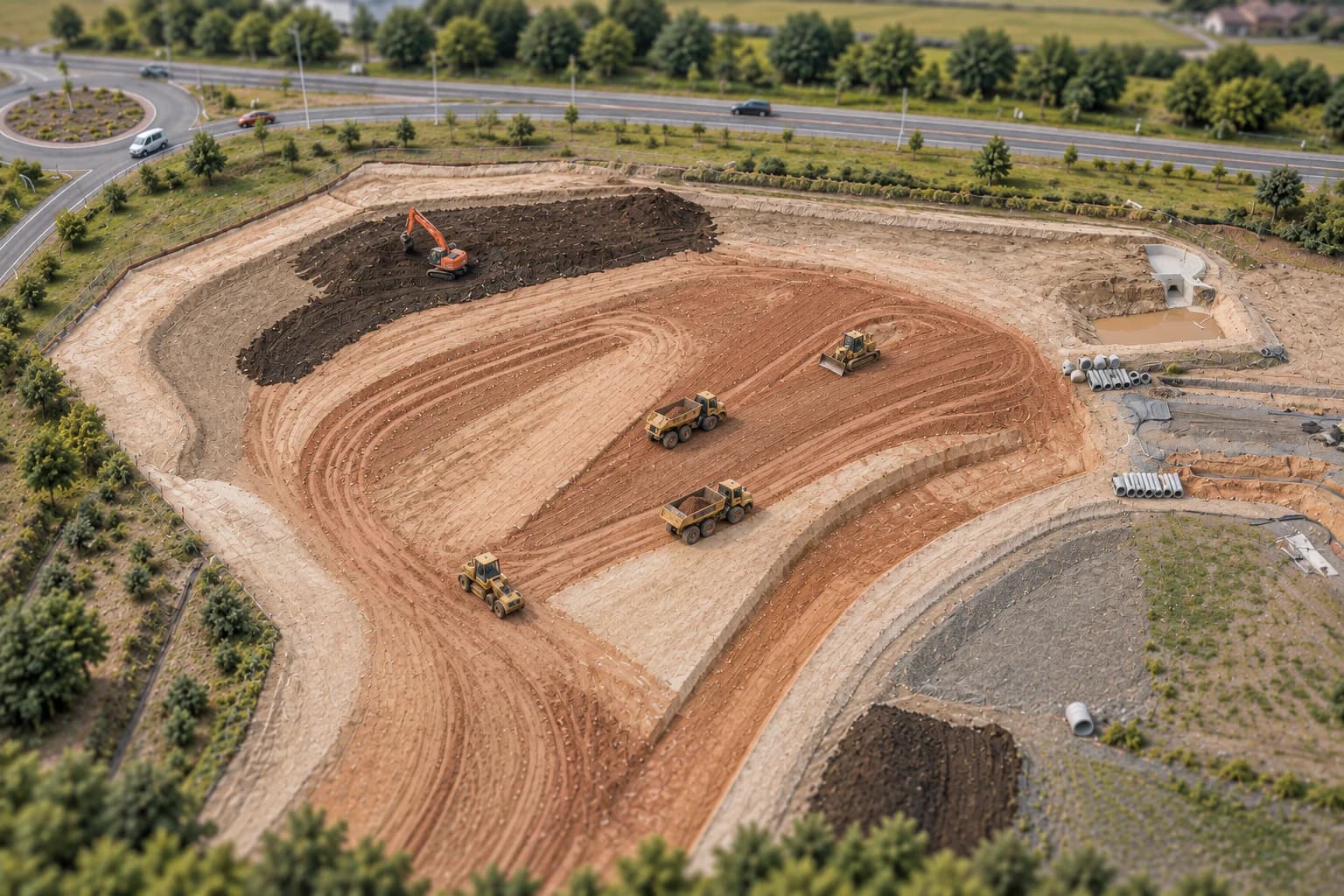
See which deliverables, decisions, and approvals control the next milestone. Distinguish work that is complete from work still awaiting review, confirmation, or another party's input.
Connect each requirement to a responsible person, deadline, and the work that depends on it. Give consultants, owners, and external parties the context they need to complete their part.
Automatically prepare and send authorized requests, reminders, and status updates. Track responses and outstanding commitments, bringing overdue items and decisions needing intervention to the team's attention.
Carry delays, revisions, and new requirements through the project's dependencies. See affected milestones, identify work that can still advance, and update the next actions without rebuilding the schedule by hand.
Check required documents, approvals, and conditions against the planned start. Carry current plans, agreed assumptions, and outstanding obligations into the construction handoff so the receiving team knows what is ready and what still needs action.
Bring an active project. Identify the remaining blockers and the work needed to reach a coordinated start.
Examine the conditions, tradeoffs, approvals, and work required to move it forward.
Book a Demo