
Design & Infrastructure
Utility Coordination
Confirm how the project will be served before capacity, cost, or lead time becomes the critical path.
Move from nearby lines and assumed availability to a coordinated service plan with providers, capacity questions, extensions, upgrades, easements, approvals, and timing made clear.
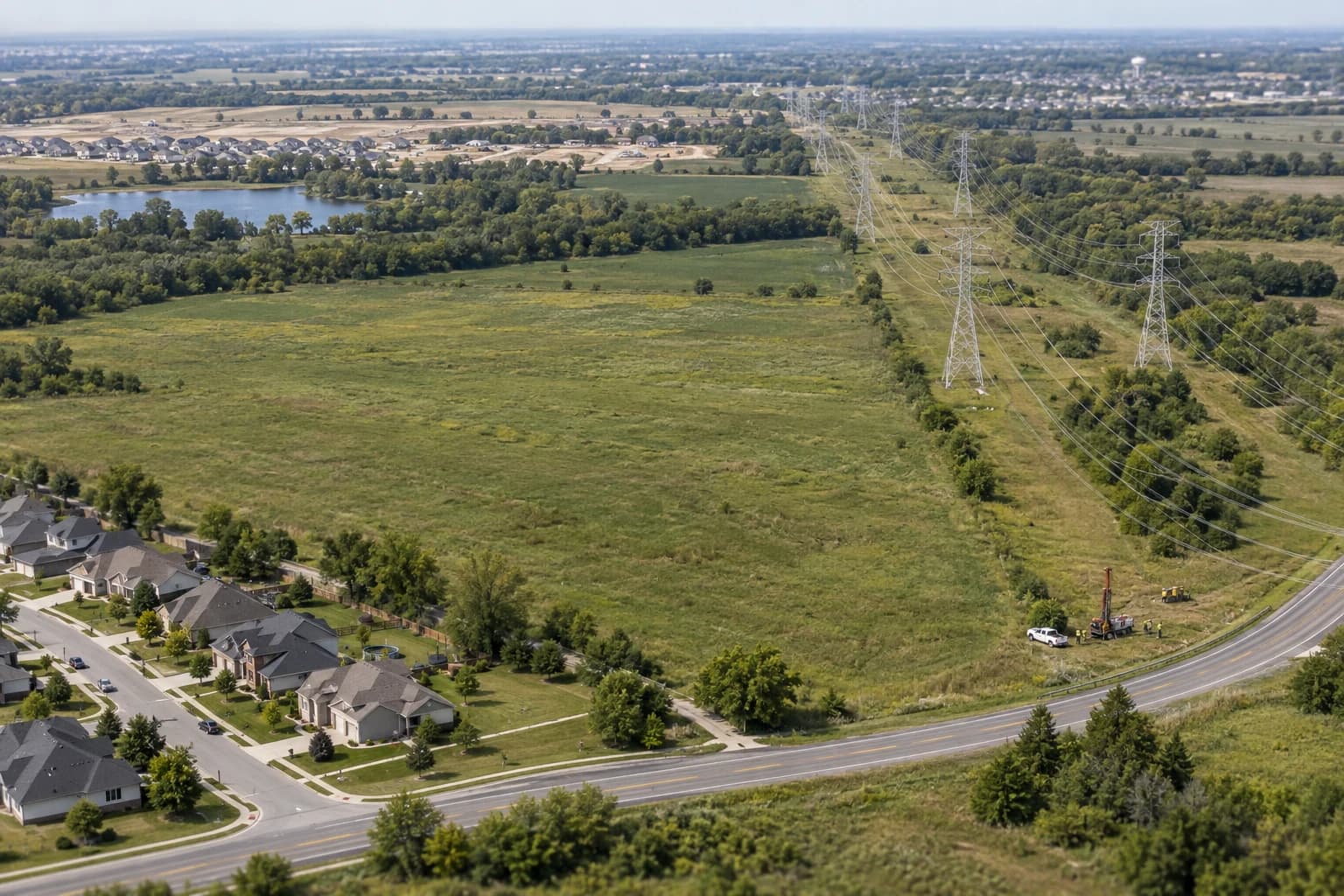
Move from apparent availability to defensible service planning.
Identify relevant providers and infrastructure, translate the proposed program into service demand, and coordinate the requests and evidence needed to understand capacity, connection, routing, cost, and schedule.
Provider responses, capacity letters, design reviews, easements, construction approvals, inspections, and lead times remain connected to the project assumptions and work they control.
What gets evaluated
- Providers, service territories, contacts, and responsibility for water, sanitary sewer, stormwater, electric, gas, and telecommunications
- Known line locations, sizes, connection points, ownership, condition, and missing infrastructure information
- Project loads and demand, available-capacity evidence, upgrade triggers, extension requirements, and redundancy risk
- Routing alternatives, utility conflicts, easements, connection fees, tariffs, allowances, and cost responsibility
- Capacity and will-serve letters, provider review, design approval, inspection, construction sequencing, and lead times
What the team receives
- A utility matrix showing each service, provider, status, evidence, constraints, and open questions
- Capacity, extension, upgrade, routing, easement, and redundancy issues requiring resolution
- Current fee, cost, lead-time, schedule, and critical-path inputs for the broader project
- A coordinated record of provider requests, responses, letters, approvals, tasks, owners, and next actions
How it moves the project forward
- 01
Prevents nearby infrastructure or preliminary availability from being mistaken for confirmed service
- 02
Shows when utility conditions change density, layout, phasing, sitework, cost, financing, or schedule
- 03
Coordinates providers, civil engineers, legal counsel, designers, and the entitlement team around shared dependencies
See utility coordination work on a real project.
Bring a site, an active development, or the provider-coordination process your team wants to improve.