Critical issues surface too late
Fatal constraints appear after design, diligence, and capital have already accumulated around the opportunity.
 Get a Demo
Make critical issues visible, choose a defensible path, and coordinate the work required to advance the project.
A site decision can change design, utilities, approvals, financing, and schedule. The information needed to see that change is usually scattered across teams and systems.
Fatal constraints appear after design, diligence, and capital have already accumulated around the opportunity.
Requirements, files, assumptions, communications, and decisions are divided across consultants, spreadsheets, email, and agency systems.
A change in program, zoning, utilities, cost, or schedule creates consequences that teams struggle to see together.
Development teams spend valuable time finding information, reconciling inputs, following up, and rebuilding the current picture.
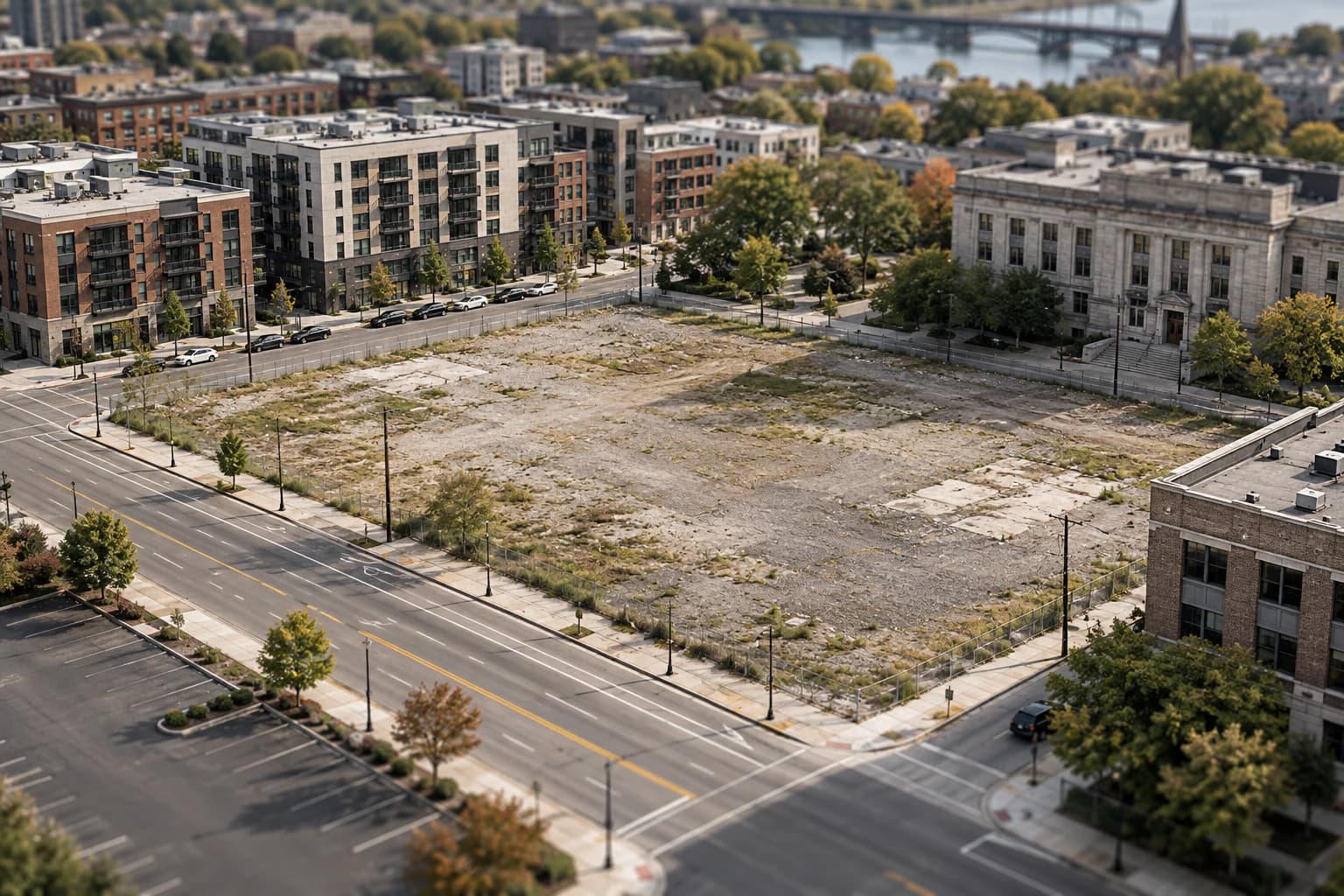
Teams commit time and capital before they fully understand the site, jurisdiction, market, infrastructure, and approval exposure.
Evaluate the parcel, intended program, zoning, access, utilities, environmental conditions, ownership, market, financial assumptions, and approval feasibility together.
Make a better-supported go or no-go decision with material constraints, assumptions, and unresolved questions visible.
Combine land, zoning, design, engineering, market, financial, and approval constraints into a defensible development strategy.
Move from a parcel and intended program to a realistic path forward.Alternatives are usually evaluated in separate spreadsheets, studies, and conversations, which hides the tradeoffs between them.
Compare viable development and approval paths against the project's priorities, including return, speed, density, capital exposure, risk, and approval certainty.
Select a path because it best fits the project, not because it was the first option modeled.
Requirements, agencies, hearings, submissions, dependencies, and political conditions vary by jurisdiction. Build the path, prepare the work, and keep it current as conditions change.
Connect requirements, decisions, people, documents, communications, deadlines, and dependencies in one current operating plan.
Keep the current project picture inspectable as the team advances authorized work.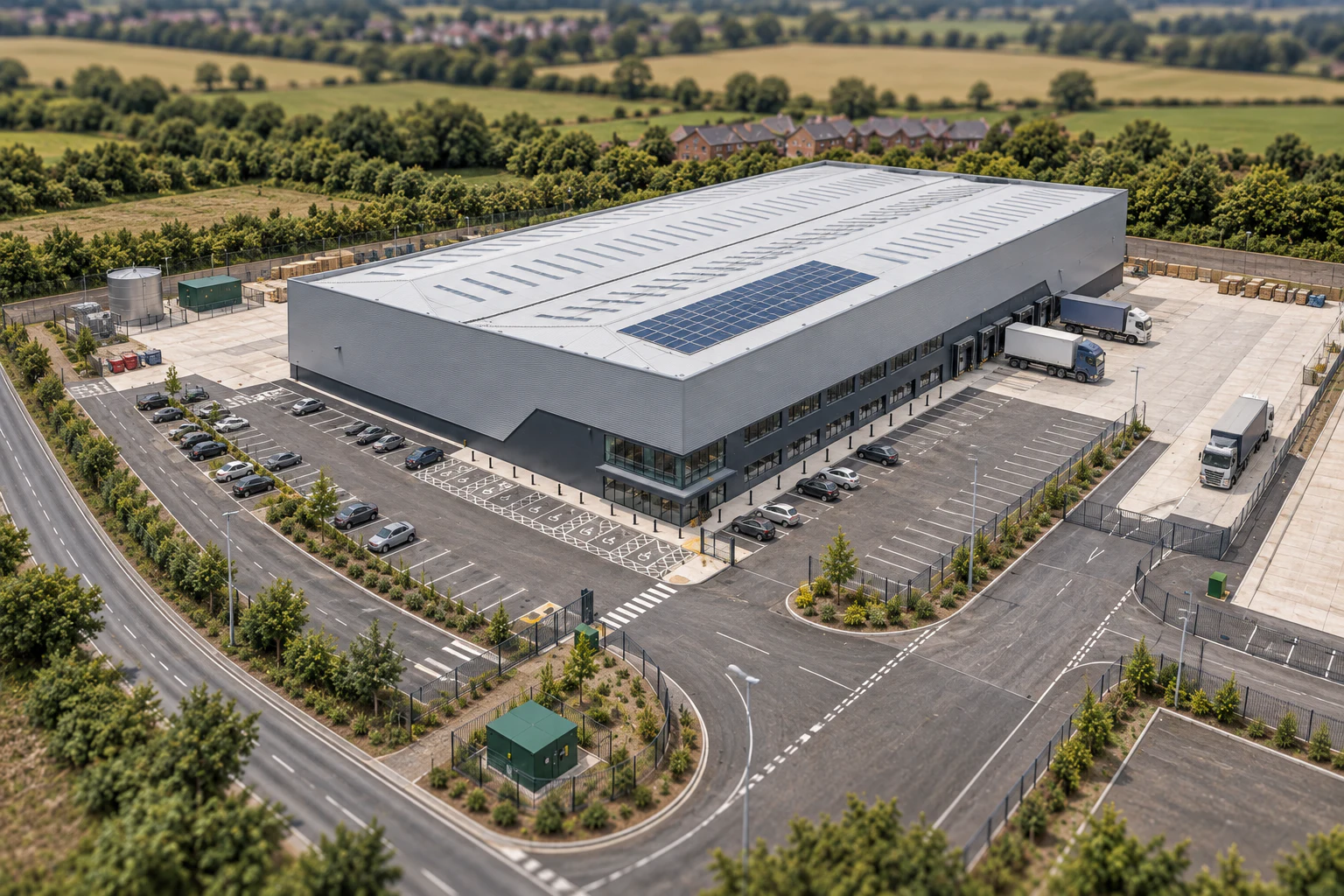
Illustrative mixed-use project. The visual explains the development workflow and is not a customer project.
Expose the constraints that can change the investment decision while the team can still investigate or revise its assumptions.
Bring the commercial, physical, regulatory, and operational picture together before selecting a path.
Keep the information, people, documents, decisions, deadlines, and follow-up connected as the project changes.
Know what controls progress, what remains unresolved, and what work is required to advance the project.
Give the team a structured way to screen, analyze, and compare projects without rebuilding the process each time.
Connect opportunity evaluation, the selected strategy, approvals, and execution prerequisites without treating an unresolved item as complete.
Give each team the view and capabilities it needs without separating its work from the rest of the project.
See one current view of project risk, opportunity, decisions, progress, and the work required to reach construction readiness.
Coordinate consultants, requirements, dependencies, submissions, deadlines, and decisions without rebuilding the project picture by hand.
Clarify scope, evaluate cost and schedule tradeoffs, and resolve the pre-construction issues that put budgets and start dates at risk.
Screen opportunities from a consistent basis, expose material constraints, and compare potential paths before larger commitments are made.
Work from the same project basis while keeping specialized analysis, assumptions, open questions, and downstream impacts visible.

Use a working session to examine the risks, decisions, and work that determine what happens next.