Design & Infrastructure
Architecture
Find the strongest viable program—not simply the largest one that appears to fit.
Compare what the site can physically hold with what regulations allow, the market supports, the project can finance, and the approval path can realistically advance.
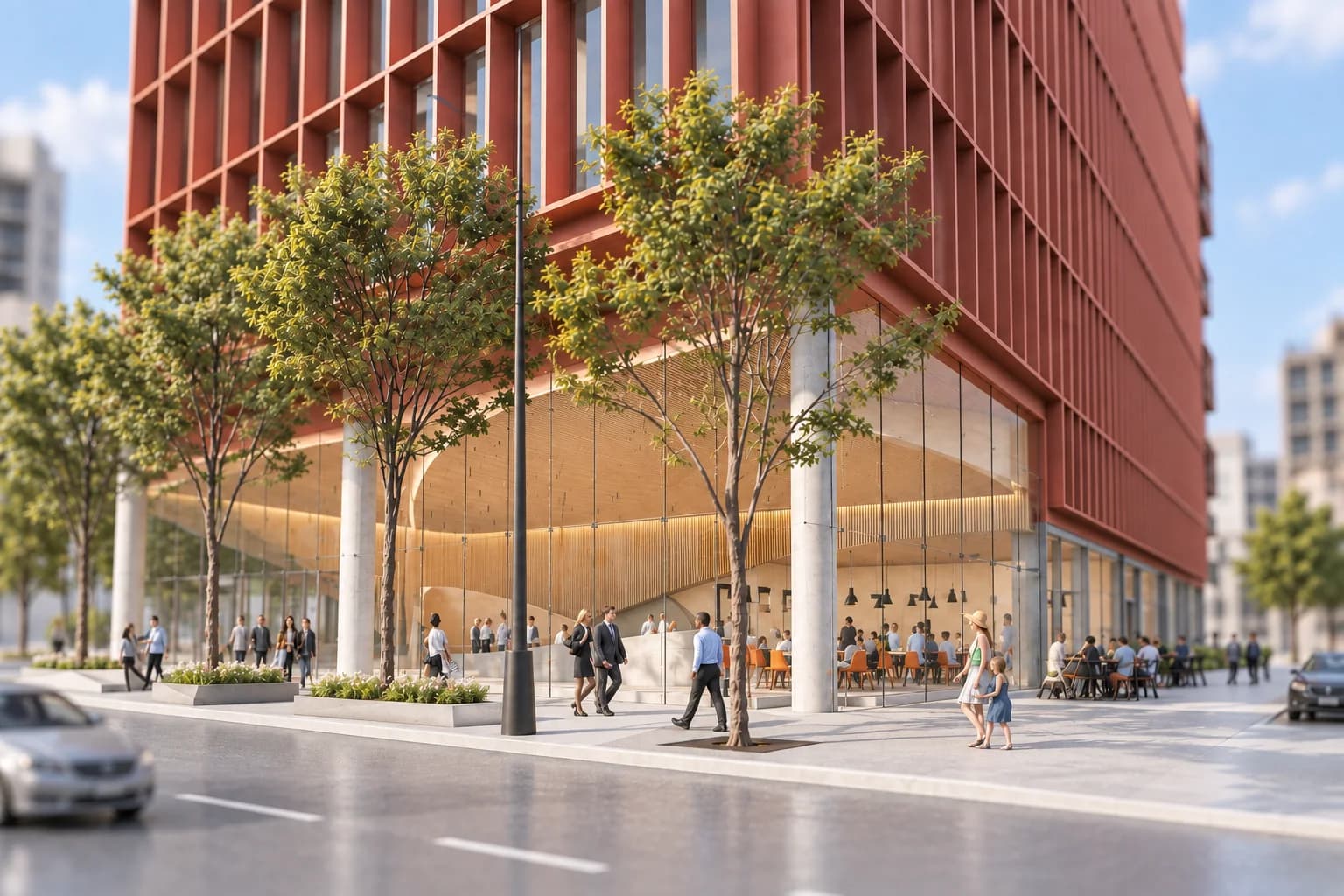
Design against the real project constraints.
Connect program definition and early design decisions to land-use controls, site conditions, market evidence, financial thresholds, civil requirements, access, utilities, and approval standards.
Architects, developers, and the broader team can compare credible program and massing alternatives while seeing the cross-project consequence of each choice.
What gets evaluated
- Use mix, unit mix, unit sizes, product type, amenities, and other program requirements
- Site yield, building envelope, massing, gross-to-net efficiency, and candidate project configurations
- Setbacks, height, density, FAR, coverage, open space, parking, and density-bonus requirements
- Fire access, life-safety considerations, circulation, design guidelines, façade rules, and material standards
- Cost, constructability, market, infrastructure, entitlement, and public-response implications across design options
What the team receives
- A coordinated program basis showing requirements, assumptions, dependencies, and unresolved questions
- Comparable site-plan, massing, and program scenarios with tradeoffs made explicit
- A land-use and design-standards scorecard showing compliant, conflicting, and unresolved items
- Architect questions, specialist inputs, submission-exhibit needs, and decisions required to advance the selected concept
How it moves the project forward
- 01
Tests whether the intended program survives the site, code, engineering, market, and financial constraints together
- 02
Compares by-right, density-bonus, conditional, and rezoning-dependent design paths before commitment
- 03
Carries the selected program into civil, traffic, utility, financial, entitlement, and document work
See architecture work on a real project.
Bring a site, an active concept, or the design process your team wants to improve.